About
The questions that connect my work
How do people realise their potential, navigate change, and build institutions that endure?
01 / Talent · Transition · Stewardship
My work has taken me across universities, business families, Parliament and high-performance sport. These can appear to be very different worlds, but I keep returning to a common set of questions.
How do we recognise potential before it is obvious? How do we give people room to change direction? How do leaders pass responsibility from one generation to another? And how do institutions renew themselves without losing what makes them valuable?
I think about these questions through three interconnected ideas: talent, transition, and stewardship. They connect much of my research, teaching, public policy work and institutional leadership.
02 / Biography
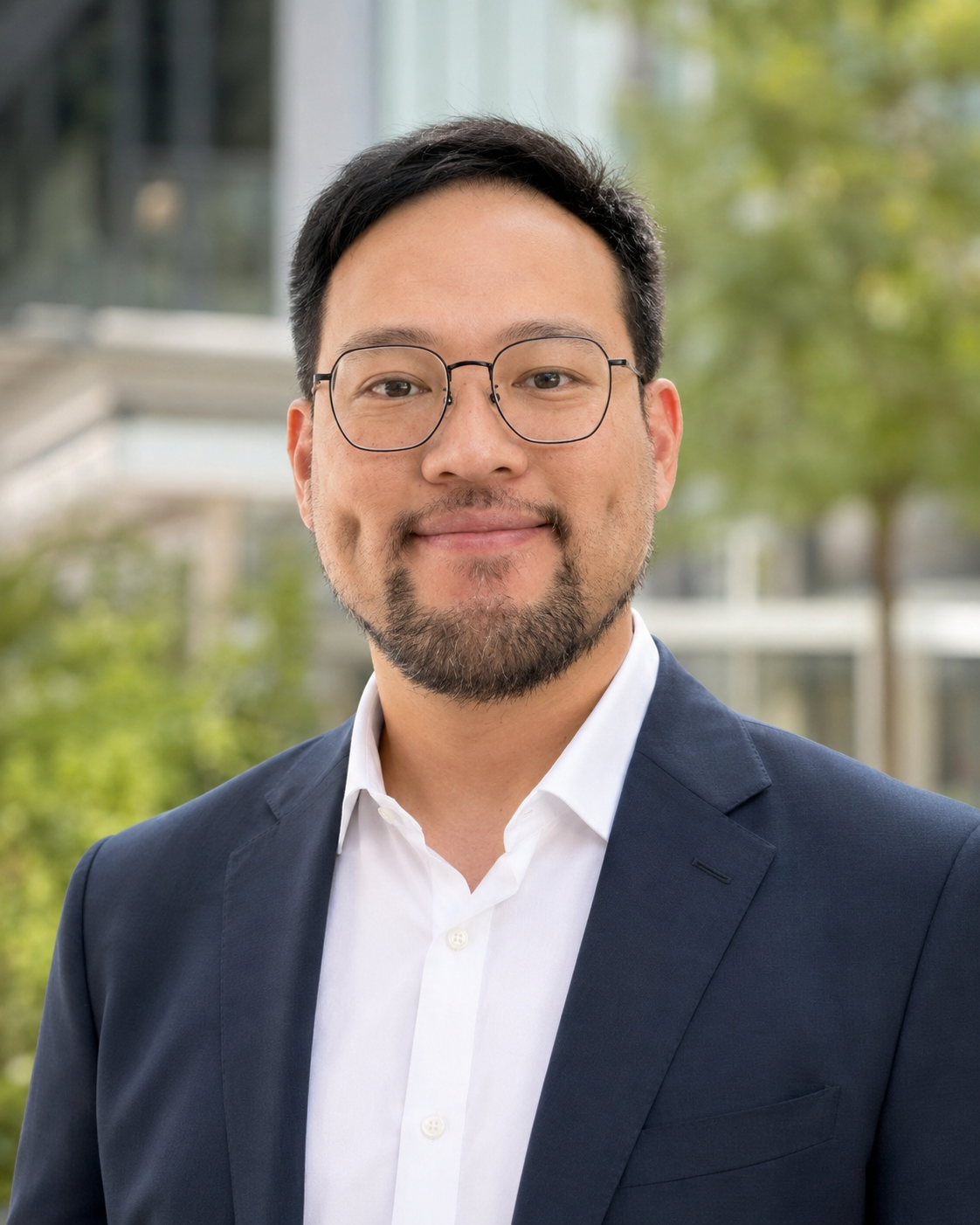
Kenneth Goh is Associate Professor of Strategy and Entrepreneurship at the Lee Kong Chian School of Business, Singapore Management University. Trained at the Wharton School, Harvard and Carnegie Mellon, where he completed his doctorate in Organizational Behavior and Theory, his academic work examines how people, teams and organisations learn, adapt and organise amid change.
As a Nominated Member of Parliament, Kenneth brings research-grounded perspectives to public policy, particularly on education, workforce transitions, entrepreneurship and sport. His work has focused on how institutions can widen opportunity, allow people to change course, and create stronger pathways for talent to develop at different stages of life. He contributes as a non-partisan voice with an emphasis on evidence, institutional design and long-term outcomes.
In sport, Kenneth serves as President of Singapore Aquatics and President of Southeast Asia Aquatics, and as Vice President of Asia Aquatics. He was also a board member of the Local Organising Committee for the World Aquatics Championships Singapore 2025. Under his leadership, Singapore Aquatics has deepened national talent pathways, strengthened coach development and expanded community access across the aquatic disciplines. His focus has been not only on competitive performance, but on strengthening the systems, capabilities and pathways that allow the sport to develop over the long term.
His research, published in journals including the Academy of Management Review and Academy of Management Journal, examines organising, innovation, change and creative work. This scholarship provides an intellectual foundation for a broader programme of work on how talent develops, how people and organisations navigate transitions, and how institutions renew themselves over time. His teaching and advisory work extends these questions to executives, entrepreneurs, business families and policymakers across Asia and beyond.
Across these roles runs a common concern: how we recognise and develop potential, enable people and organisations to navigate change, and build institutions capable of flourishing beyond any single individual. Kenneth approaches these questions through research, public service and institutional leadership, with an emphasis on intellectual rigour, civic purpose and long-term thinking.
03 / Scholarship
Selected academic work
Selected scholarship on organising, innovation, change and creative work.
04 / Thought Leadership
Selected publications for practitioners & policymakers
Talent · Book · 2023
The Inclusive Organizing Playbook
Co-authored with Daniel Z. Mack & Jovina Ang
One of the first practitioner books to show how organisations can redesign work to be truly inclusive — regardless of talent capabilities, skills, neuro-ability, or specific needs. Offers four concrete frameworks for rewiring work to accommodate all talent, with step-by-step guidance for leaders and HR practitioners.
Transition · Commentary · 2025
The obsession with staying on track is holding Singapore students back
The Straits Times
An argument for giving people greater room to experiment, adapt, and change direction without being excessively penalised by rigid educational pathways.
Stewardship · Book · 2022
Circular Economy Principles for Family Business and Wealth Stewardship
Co-authored with Philip Marcovici & Iraj Ispahani · Published by STEP
A pioneering framework that applies circular economy thinking to family governance, succession, and wealth stewardship. The book argues that families — like ecosystems — must design for regeneration, not just preservation, offering a new governance vocabulary for multi-generational family enterprises navigating sustainability, legacy, and continuity.
In the Press
Selected media coverage
THE BUSINESS TIMES · MAR 2026
SMU's new philanthropy framework aims to support high-potential initiatives with longer time horizon
Coverage of the Moonshot Approach to Philanthropy framework — guiding philanthropists to invest in early-stage, high-ambition initiatives with the potential for lasting systems change.
THE BUSINESS TIMES · MAY 2026
Succession in Singapore: Is the era of family empires coming to an end?
Quoted on the governance and succession challenges facing Singapore's major family business dynasties, including UOB and the Wee family. Kenneth argues that shareholders should be concerned only if the succession process is weak, opaque, or driven by sentiment rather than merit.
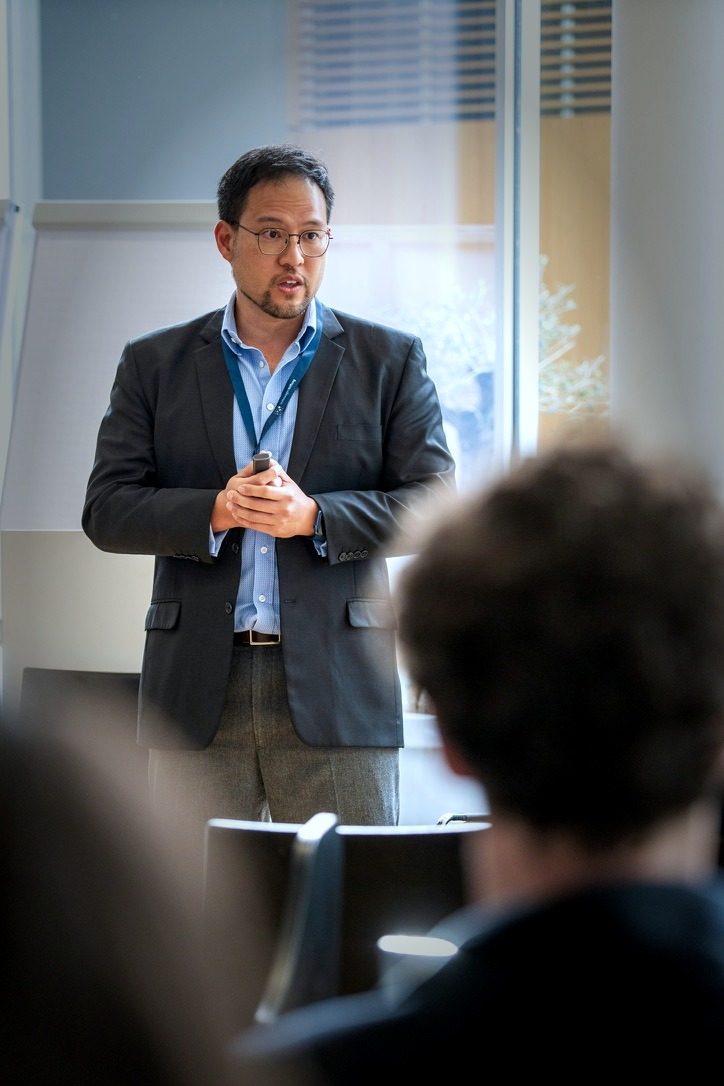
“The institutions that endure are those that develop people, make room for change, and prepare for leadership beyond themselves.”
— Kenneth Goh